
Nutrition for Wireless Radiation Protection
The adverse health effects of wireless technologies and other types of EMF can be exacerbated both by deficiency of key nutrients (e.g., antioxidants) or toxicity (e.g., metal toxicity). The good news is that some foods and supplements can provide some protection against wireless health effects. Below, where key nutrients are suggested for healing the effects of EMF, recommendations are provided for either natural sources (through food) and/or nutritional supplements (such as vitamins). The best solution, however, is still to reduce EMF exposures to begin with, because EMF not only leads to biological damage, but also to reduced ability to repair this damage. For more recommendations, check out our blog articles.
Disclaimer: The author is not a physician. Please check with your physician before making changes to your diet. Both food and vitamins may be subject to varying quality, depending upon increasing use of GMO and pesticides, contaminated or depleted soils, artificial vitamins and fillers, and should be chosen with care.
Protection through Nutrition
- A good night's rest for melatonin
- Supplementation with Vitamin D3, magnesium ascorbate (Vitamin C), and Vitamin E (in its "Dry E" form d-alpha tocopheral succinate)
- Cruciferous vegetables (cabbage, kale, cauliflower, etc.)
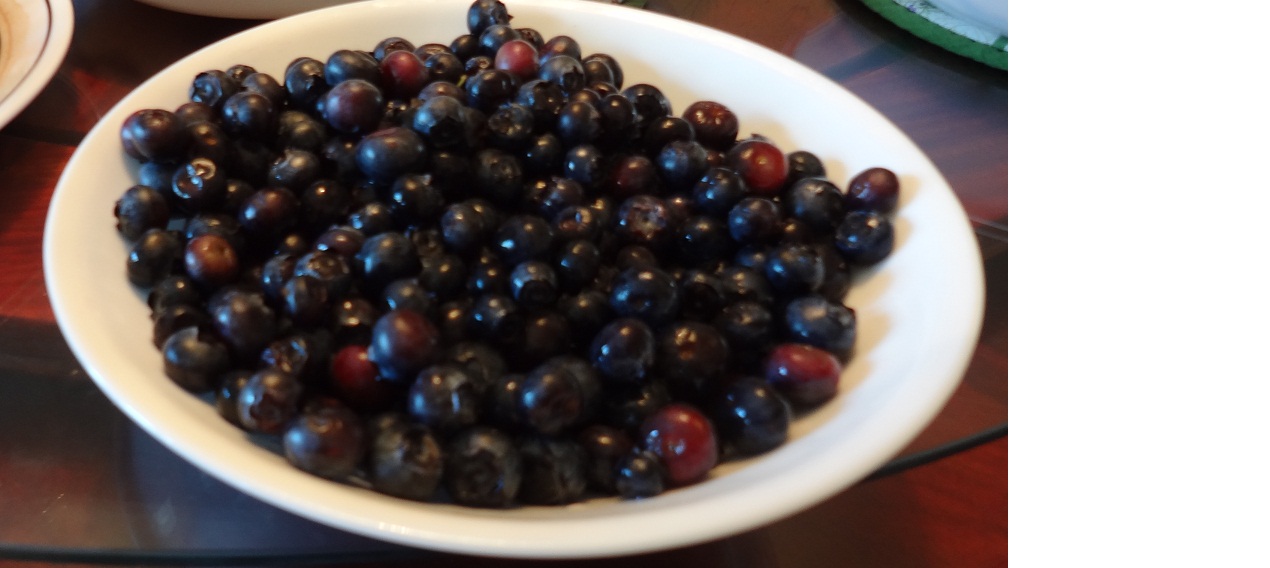
- Organic berries, e.g., blueberries/raspberries/strawberries
- Herbs like turmeric and garlic, combined with a little coconut oil and black pepper for absorption (see below)
- Antioxidants (Vitamins C, E, flavonoids, etc.) —
 Henry Lai and Narendra Singh at the University of Washington found that EMF-induced DNA damage could be blocked with antioxidants used before and after exposure. Vitamin C, E, caffeic acid, and melatonin are said to be helpful against microwaves, based on rat studies.
In particular, vitamin C is said to offer protection to aqueous, or watery areas of the cell from oxidative damage. Meanwhile, vitamin E, is said to offer protection to the fatty areas of the cell from oxidative damage, such as the cell membrane, and may therefore help protect nerve membranes. Both vitamin E and glutathione may provide some protection against "iron-induced lipid peroxidation."
One study also suggested that gingko biloba can also protect against the oxidative stress of mobile phone radiation.
Henry Lai and Narendra Singh at the University of Washington found that EMF-induced DNA damage could be blocked with antioxidants used before and after exposure. Vitamin C, E, caffeic acid, and melatonin are said to be helpful against microwaves, based on rat studies.
In particular, vitamin C is said to offer protection to aqueous, or watery areas of the cell from oxidative damage. Meanwhile, vitamin E, is said to offer protection to the fatty areas of the cell from oxidative damage, such as the cell membrane, and may therefore help protect nerve membranes. Both vitamin E and glutathione may provide some protection against "iron-induced lipid peroxidation."
One study also suggested that gingko biloba can also protect against the oxidative stress of mobile phone radiation.
Recommendation: For the antioxidant vitamin C, eat plenty of organic non-GMO fruits, especially berries like the wild blueberry. Dr. Russell Blaylock recommends to avoid combining vitamin-C rich foods with foods with high aluminum content, like tea, or high iron content, to avoid increasing one's absorption of these metals. For the antioxidant vitamin E, almonds are a good source, if they are not treated by irradiation. You can search on high ORAC foods for a list of foods with high Oxygen Radical Absorbance Capacity. See below for more information on increasing levels of glutathione and melatonin. Caffeic acid comes naturally in foods such as cabbage, cauliflower, bok choy, kale, and apples. An Indian study also found that Caffeic acid can help protect blood lymphocytes against ionizing radiation.
If one's intake of antioxidants through foods is inadequate, an iron-free multivitamin containing natural rather than synthetic vitamins may also be helpful on days when exposure is unavoidable. Look for one that does not include the additive titanium dioxide, nor high levels of potential excitotoxins (aspartate or glutamate), nor synthetic forms of vitamins. Additional vitamin C (buffered as magnesium ascorbate) on an empty stomach and/or vitamin E (e.g., Dry E: d-alpha tocopheral succinate) may also be helpful. Dr. Blaylock recommends avoiding synthetic vitamin E which starts with dl- rather than d- as well as avoiding the acetate form of vitamin E.
References:
-(1) PubMed: "900 MHz radiofrequency-induced histopathologic changes and oxidative stress in rat endometrium: protection by vitamins E and C."
-(2) PubMed: "The protective effect of caffeic acid phenethyl ester (CAPE) on oxidative stress in rat liver exposed to the 900 MHz electromagnetic field."
-(3) LEF Magazine "Nutritional Protection against Cell Phone Radiation" (end of article)
-(4) Toxicology Letters: "The effects of glutathione and vitaminE on iron toxicity in isolated rat hepatocytes"
-(5) Blaylock, Russell. Health and Nutrition Secrets That Can Save Your Life - Vitamin D3 may be beneficial to individuals with electrosensitivity.
Dominique Belpomme's team observed more than 450 patients on electromagnetic field intolerance from 2008 to 2011 and found Vitamin D deficient in 70% of the group. Vitamin D may be neuroprotective, helpful to maintain serum calcium levels, and may be beneficial for those with Multiple Sclerosis. Dr. Russell Blaylock explains that vitamin D can cool down overactive immune reactions that may be involved in multiple sclerosis.
Recommendation: Under optimal conditions, vitamin D levels can be increased by 10-15 minutes of daily sunlight. Note, however, that vitamin D produced from exposure to the sun's UV-B rays may vary depending upon how cloudy it is, one's geographical coordinates, the time of day, one's skin color, and use of sunblock.
Due to the above limitations, some individuals may want to consider supplementation with Vitamin D3, with care not to overdose on it. 1000 IU to 2000 IU per day, monitored to prevent toxicity from vitamin D excess, may be helpful for those with vitamin D deficiency. Some even suggest that 5000 IU a day may be helpful, although this should be done with care to prevent overdose. - Melatonin has a neuroprotective effect on the brain. It is also an important free radical scavenger and is important for cancer prevention. A study by G. ERDEM KO and Dr. Suleyman Kaplan found that 900 MHz EMF reduced the neurons in the rat brain, but melatonin used after exposure had a neuroprotective effect. Be sure to get a good night's rest after an exposure to EMF. Because melatonin levels produced by the pineal gland can be reduced by light and EMF's, it is recommended to sleep in a room that is pitch dark, for example, by using blackout curtains, and to lower one's EMF exposure at night. Some foods, like oats or cherries, may also provide a natural source of melatonin.
References
ERDEM KOC, G., KAPLAN, S. et al "Neuroprotective effect of melatonin and omega-3 on the hippocampus of rat that prenatally exposed to 900 mhz electromagnetic fields", 31, 2, 6/2014, 10.5835/jecm.omu.31.02.022
(4) PubMed: "Melatonin and a spin-trap compound block radiofrequency electromagnetic radiation-induced DNA strand breaks in rat brain cells."
(5)PubMed: "Melatonin and N-tert-butyl-alpha-phenylnitrone block 60-Hz magnetic field-induced DNA single and double strand breaks in rat brain cells." - Omega-3 fatty acids have been recommended by Dominique Belpomme as part of a treatment plan for electrosensitivity. (Note, however, that a study by G. ERDEM KO and Dr. Suleyman Kaplan, suggested that its protective effect was found in combination with melatonin and not when taken alone.)
Our modern diet often contains a higher proportion of omega-6 fatty acids than omega-3 fatty acids. Dr. David Servan-Schreiber recommends that we adjust this ratio because omega-6 fatty acids favor inflammation, in contrast to omega-3 which can reduce it. For omega-3 fatty acids, he advises olive oil, oily fish, omega-3 eggs, nuts, lambs'-ear salad, linseed or flaxseed oil and flax seeds. Note that olive oil and flaxseed oil are heat-sensitive, and may be damaged by high heat. Chia seeds are also a source of omega-3 fatty acids and antioxidants. Walnuts can be used both for omega-3 fatty acids and glutathione content. To lower levels of the inflammatory omega 6 oils, he advises AVOIDING red meat, dairy products, sunflower oil, corn oil, safflower oil, and soybean oil.
Supplementation with omega 3, e.g., from fish oil, may also be helpful provided that the source is pharmaceutical-grade, uncontaminated with mercury, and does not lead to over-dosage of vitamins A and D. Vitamin E is sometimes added to fish oil to protect the fish oil from oxidation. - Flavonoids from Turmeric/Green Tea —
Microwaves have been found to increase free radicals by the iron-catalyzed Fenton cycle.
Iron, in its unbound form frequently used in vitamin fortification ("reduced iron"), may be undesirable for those with electrosensitivity. Unbound iron may also contribute to vascular damage.
Flavonoids - Curcumin, a flavonoid found in the spice turmeric, is not only a potent antioxidant and anti-cancer food, but may also aid in DNA repair and in binding iron, according to neurosurgeon Russell Blaylock. It can be added to extra virgin olive oil, with a little black pepper to increase absorption, according to David Servan-Schreiber. Other potentially useful sources of flavonoids, according to Dr. Blaylock, include quercetin, rutin, hesperidin, catechins from green tea, or grape seed extract, which may also help with binding iron. Eating vegetables when consuming red meat may help to reduce the absorption of iron from the red meat. - Coconut oil has also been said to have some protective effect for the brain, e.g., for conditions like Alzheimer's. It may be helpful to try cooking with coconut oil to see if it provides any benefits, or to eat unrefined virgin coconut oil. Proponents of coconut oil say that in contrast to animal fat, the saturated fat found in coconut oil is healthy.
- Aloe vera may also be helpful after exposure, but avoid the additive sodium benzoate if taken in liquid supplement form. (Sodium benzoate plus vitamin C may result in benzene, a "known" carcinogen.)
-
 Glutathione — Some studies suggest that microwaves cause reduction in Glutathione levels, a powerful free radical scavenger, which can help repair damaged DNA, activate other antioxidants, and help chelate mercury.
Artichokes, Asparagus, and Whey Protein: In her book, Zapped, Ann Louise Gittleman recommends artichokes, not only for its high levels of antioxidants, but also for its glutathione-boosting silymarin. Additionally, Gittleman recommends asparagus, for its glutathione, selenium, and zinc. Dr. Mercola recommends cold-pressed whey protein from grass-fed cows to increase glutathione levels. Be cautious, however, about the potential excitotoxity of certain amino acids in whey protein such as glutamic acid.
Sulfur, found in fish, grass-fed beef, and free-range poultry, may play an important role in the synthesis of glutathione, proteins, and enzymes, detoxification, vitamin conversion, as well as many other functions. See Dr. Mercola. Sulfur may also help for the elimination of toxic aluminum. Powerwatch UK recommends MSM, a form of organic sulfur. Other natural sources of sulfur compounds include foods like Garlic, Onions, Leeks, Shallots, and Chives, which may also provide anti-cancer benefits as well. - Magnesium A recommended Magnesium-to-Calcium ratio in your multi-vitamin is at least 1 parts of magnesium to 2 parts of calcium, but a higher proportion of magnesium may be called for in cases of magnesium deficiency. (See Carolyn Dean, The Magnesium Miracle). The modern diet focuses excessively on Calcium, but sufficient Magnesium is required to absorb the calcium, and counterbalance it. Certain forms of Magnesium, such as magnesium malate/citrate, may also be helpful as supplements to reduce aluminum levels in the brain, according to Dr. Russell Blaylock, as well as to protect against excitotoxicity. Since aluminum in the brain can increase the toxicity of iron in the brain, magnesium supplementation may be helpful.
- Kelp is one very good source of magnesium, as well as a wealth of other nutrients. Almonds and chocolate also contain magnesium, although be cautious not to overdose because chocolate may also contain iron.
- Nutritional Supplements: Dr. Russell Blaylock recommends magnesium citramate (citrate + malate) for reducing aluminum levels, which can be taken also with magnesium ascorbate (a buffered form of vitamin C).
Ideas for Reducing Metal Toxicity:- Magnesium malate/citrate/ascorbate for aluminum toxicity. Dr. Russell Blaylock recommends Jigsaw Health's Magnesium SRT.
- Garlic, modified citrus pectin, or glutathione-boosting foods for mercury toxicity
- Flavonoids like turmeric for iron toxicity
- Selenium, which can be naturally obtained through brazil nuts, sunflower seeds, garlic, and barley, is a heavy metal chelator (e.g., for mercury) and antioxidant. Use in moderation, because high levels can also be toxic. (See Zapped for more on important minerals and supplements for EHS and see Dr. Russell Blaylock's book on cancer nutrition for suggestions on the proper form of Selenium to take. Certain forms of selenium are said to be toxic, so it may be preferrable to use natural sources.). Selenium may be best paired with vitamins C, E, and zinc.
- Garlic: Garlic is a natural source for selenium. Dr. David Servan-Schreiber, author of Anticancer, recommends combining garlic with a little olive oil to improve absorption. Dr. Russell Blaylock recommends adding garlic to fish/seafood to help prevent mercury absorption.
- Zinc can be obtained naturally from toasted wheatgerm, spinach, and pumpkin seed.
- Supplementation: Zinc may be best paired with vitamins C, E, and selenium, according to Michael Murray, such as in an iron-free multivitamin. Alternatively, one may want to take it every other day, according to Dr. Russell Blaylock.
- Zinc Another recommended element, Zinc, helps preserve levels of anti-oxidants in the blood and protect cell membranes.
- Vitamin B-complex and folic acid have been recommended for neuropathy, and can be taken as part of an iron-free multivitamin. Unfortified whole grain cereals may provide some B vitamins. Certain forms of vitamin B may protect against excitoxicity, dementia, and brain shrinkage.
- Filtered water is recommended to protect oneself from toxicity from chlorine and fluoride (check your filter's manual to see what it filters out -- some filters like the Berkey filter require an add-on filter for fluoride).
Voltage Gated Calcium Channels: A common mechanism for EMF and Chemicals in Neurodegenerative diseases? - May 1, 2018
How to Potentially Save Your Brain - May 21, 2012
Lessons from Anti-Cancer Nutrition - April 20, 2012
Potential Benefits of Vitamin D for Electrosensitivity - February 1, 2012
High Iron Content “In the Brain” – Part II - January 31, 2012
Could High Iron Stores be a Risk Factor for Electrosensitivity? - January 26, 2012
Acupuncture, Acupressure, and the Body Electric - December 20, 2011
Traditional Chinese Medicine, Acupressure, OPT, and Qi Gong
Keep in mind that from the standpoint of TCM, or Traditional Chinese Medicine, some of the healing foods above may be too cold (yin), and may need to be balanced with hot (yang) foods, such as ginger. A search on the internet can help one to identify which foods are yang. Adaptogenic herbs, such as American ginseng, may also be able to help balance yin and yang.
Alternative medicine, such as acupressure and qi-gong, may provide some benefits for those who are electrosensitive. Acupressure operates under the assumption that the human has electrical channels called meridians. Knowledge of acupressure may be helpful to rebalance the electrical system after interference from external sources. Different points may trigger either the sympathetic or parasympathetic system, similar to EMF. It may be helpful to apply acupressure to certain areas around the ear, back of the head, and neck, especially points found in original point therapy (OPT). Various exercises related to acupressure can also help against calcium loss might potentially be helpful against EMF's calcium efflux effect, and boost the immune system. Qi Gong is another Chinese Medicine practice, of which Tai Chi may be said to be one of the forms. It also has potential to help people to achieve better balance within their energy system.
Concerns Regarding Silver Amalgam Fillings
There have been some reports in the Swedish experience in Black on White, linking microwave sickness to dental appointments involving silver mercury amalgam fillings. (EMF exposure may result in greater release of mercury from the filling, and metals in the body may result in increased RF energy exposure.) Replacing silver fillings with white plastic fillings, when done properly, has been reported to help some individuals in recovering from symptoms. Check that your dentist follows appropriate procedures (e.g., IAOMT protocol) to reduce mercury exposure during amalgam removal. For example, one method to reduce mercury exposure involves using a Rubber Dam. Check also for recommendations of nutritional support before and after, as well as procedures to minimize inhalation of mercury during the removal. See Dr. Russell Blaylock's Health and Nutrition Secrets That Can Save Your Life for more information. Some individuals take a step further to check for the chemical safety/biocompatibility of the composite fillings.
Some have recommended protocols for detoxification, such as that of Dr. Klinghardt. However, exercise great caution, as the excretion of mercury in the body could potentially move mercury into areas where it can cause damage and make things much worse. It may be safer to rely upon our body's natural detoxification, rather than attempt aggressive detoxification. According to Dr. Blaylock, long-term use of aged garlic may be helpful as a milder method of detoxification.
Other Considerations: Metal Objects
The presence of metal implants within tissue may result in excess heating due to increased RF energy absorption. Thus, it is advisable in high microwave environments to minimize use of metal implants, metal-rimmed eyeglasses, metal wires in orthodontic braces and mouthgards, metal crowns/bridges/fillings, as well as the wearing of metallic objects such as metal belts and jewelry (See Kane, 33-34). One may also want to avoid coils in mattresses, e.g., try a Tempurpedic mattress or futon mattress— one that is free of dangerous flame retardants -- wool or organic latex may in some cases be a good option.
Exercise
Exercise can impact the brain in beneficial ways, including stimulation of new brain cell production in the area of the brain important for learning and memory. (Meditation and laughing may also be beneficial to one's mental health.)
Recommendation: Exercising at least 30 minutes a day 4 days a week is recommended. You may want to avoid excessive, vigorous exercise, however, as that may increase one's free radical load. Strength-training, such as with the use of resistance bands, may be a helpful form of exercise.
Further Resources
- LEF Magazine "Nutritional Protection against Cell Phone Radiation" (end of article)
- Ann Louise Gittleman's book, Zapped.
- Dr. Russell Blaylock, Health and Nutrition Secrets, Natural Strategies for Cancer Patients, and Dr. Blaylock's Prescriptions for Natural Health -- Provides helpful discussions on vitamins and their varying forms
- See Environmental Medicine Matters for comments on differences observed for those adversely impacted by EMF's.
- For more nutrition ideas, see 1st Steps to Recover from http://www.raleighes.info and
- What you can do if you have ES, page 8 from Powerwatch UK
- Dr. David Servan-Schreiber, Anticancer: A New Way of Life